We Need to Have an Uncomfortable Conversation About Your Instagram Strategy
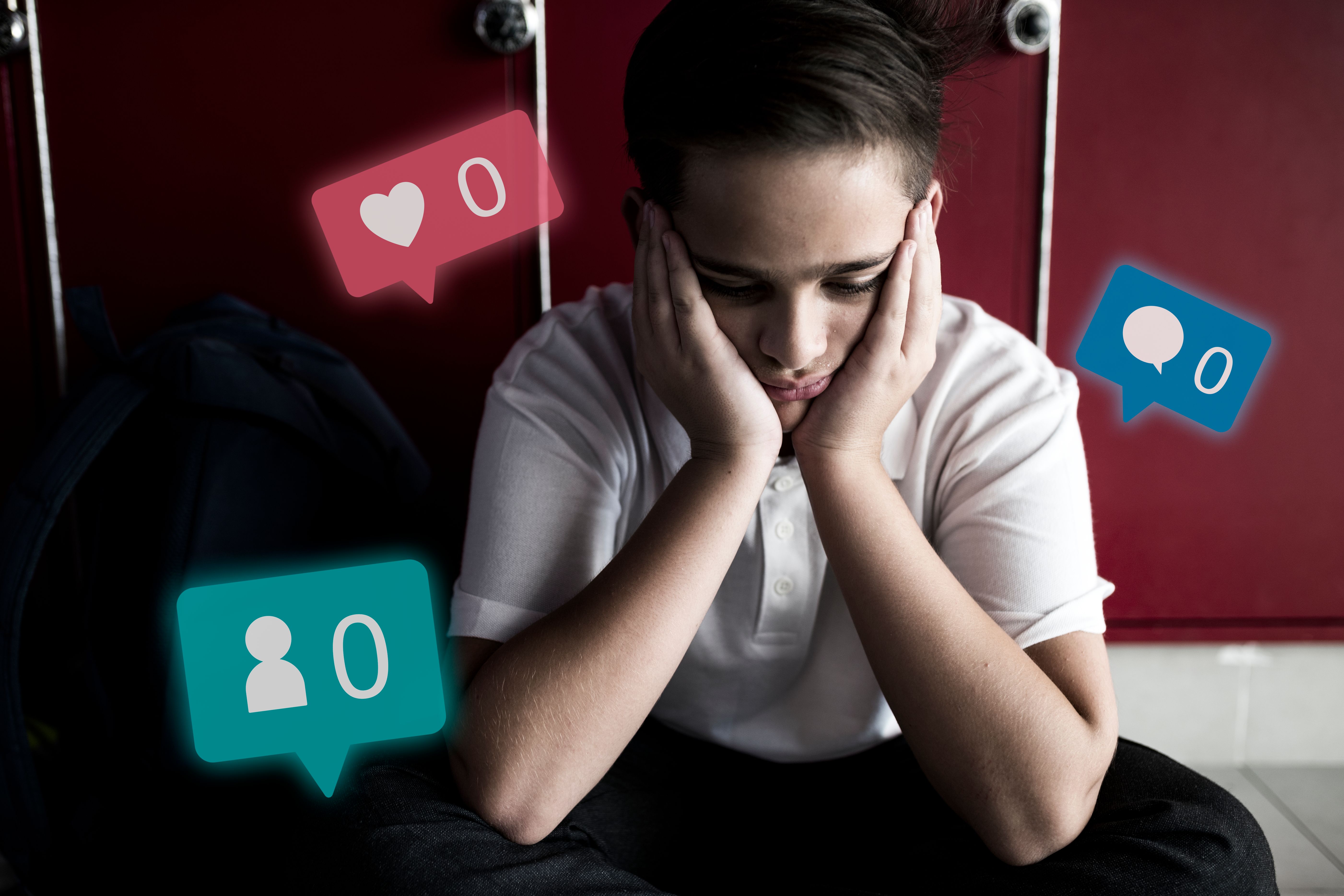
You spent three hours editing a Reel. You found the perfect trending audio. You used 30 hashtags copied from a "growth hacker" on Twitter. You posted at exactly 6:00 PM because an infographic told you to. And then? 214 views.
Your first instinct is to blame the algorithm. "Mark Zuckerberg hates me," you whisper at your phone. "I'm shadowbanned."
You aren't. The reality is much simpler: the algorithm has evolved from a math problem into a moody teenager.
It doesn't care about your hashtags anymore. It cares about whether you can stop someone's thumb from moving for three seconds. Here is the unvarnished truth about the 2026 Instagram Reels landscape and why your current strategy is probably actively hurting you.
The only metric that actually matters
Stop looking at likes. Likes are a participation trophy. In 2026, a like is what we give content we acknowledge but don't actually care about. The algorithm is now obsessed with one specific action: the share.
Think about your own behavior. When do you share a Reel? When it's so funny you have to show your best friend. When it's so relatable it physically hurts. When it's actually useful information you want to save for later.
If your content doesn't trigger the "I need to send this to someone" reflex, it dies.
The algorithm is essentially asking one question about your video: is this lonely? If nobody's sharing it, the answer is yes. Stop asking people to "double tap" and start making content that targets a specific person. "Send this to your friend who is always late" outperforms "please like this video" by a wide margin, every time.
You're losing people before you even start
We are living in the era of terminal brain rot. If your video opens with you taking a breath, adjusting the camera, or saying "Hey guys, so today I wanted to talk about..." you have already lost. The user has scrolled. They are gone. They are watching a hydraulic press crush a watermelon now.
The fix is brutal in its simplicity: start in the middle of the action. Put the headline on screen immediately.
Create a curiosity gap in your first line. "I stopped drinking coffee for 30 days and my skin fell off" is a better opener than "My experience quitting caffeine" not because it's sensational, but because it leaves a question unanswered.
The brain cannot scroll away from an unanswered question.
Hashtags are dead. SEO is not.
Remember when you could spam #fyp #viral #instagram and get famous? Those days ended quietly a couple of years ago, and doing it now actively flags your account as spam. Instagram is a search engine in 2026.
It listens to your video, reads the text on your screen, and scans your caption for keywords. If you post a video about baking cookies but your caption is nothing but emojis and generic hashtags, the algorithm has no idea who to show it to so it shows it to nobody.
Treat your caption like you're explaining the video to a blind robot. Use actual sentences. "Here is my recipe for chewy chocolate chip cookies using browned butter" gives the algorithm something to work with. Specificity is the whole game now.
The trend trap everyone falls into
The biggest mistake people make is seeing a trend and copying it exactly. By the time a trend reaches you, half a million other creators have already seen it too. If you do the same dance to the same audio with the same joke structure, the algorithm quietly marks you as duplicate content and buries you accordingly.
The move is to remix, not repeat. If there's a trending audio, use it for a completely different niche. If everyone's using a sound to make jokes about dating, use it to make a joke about freelance graphic design. Subvert the expectation. The algorithm rewards the version of a trend that makes people stop and think "wait, that's not where I thought this was going."
The bottom line
The 2026 algorithm isn't a random lottery. It's a mirror — it reflects human behavior back at you. Humans share things that are funny, useful, or genuinely surprising. They ignore things that are boring, repetitive, or desperate. Stop trying to hack the machine and start trying to entertain the actual human on the other side of the screen. If you do that consistently, the algorithm will follow.